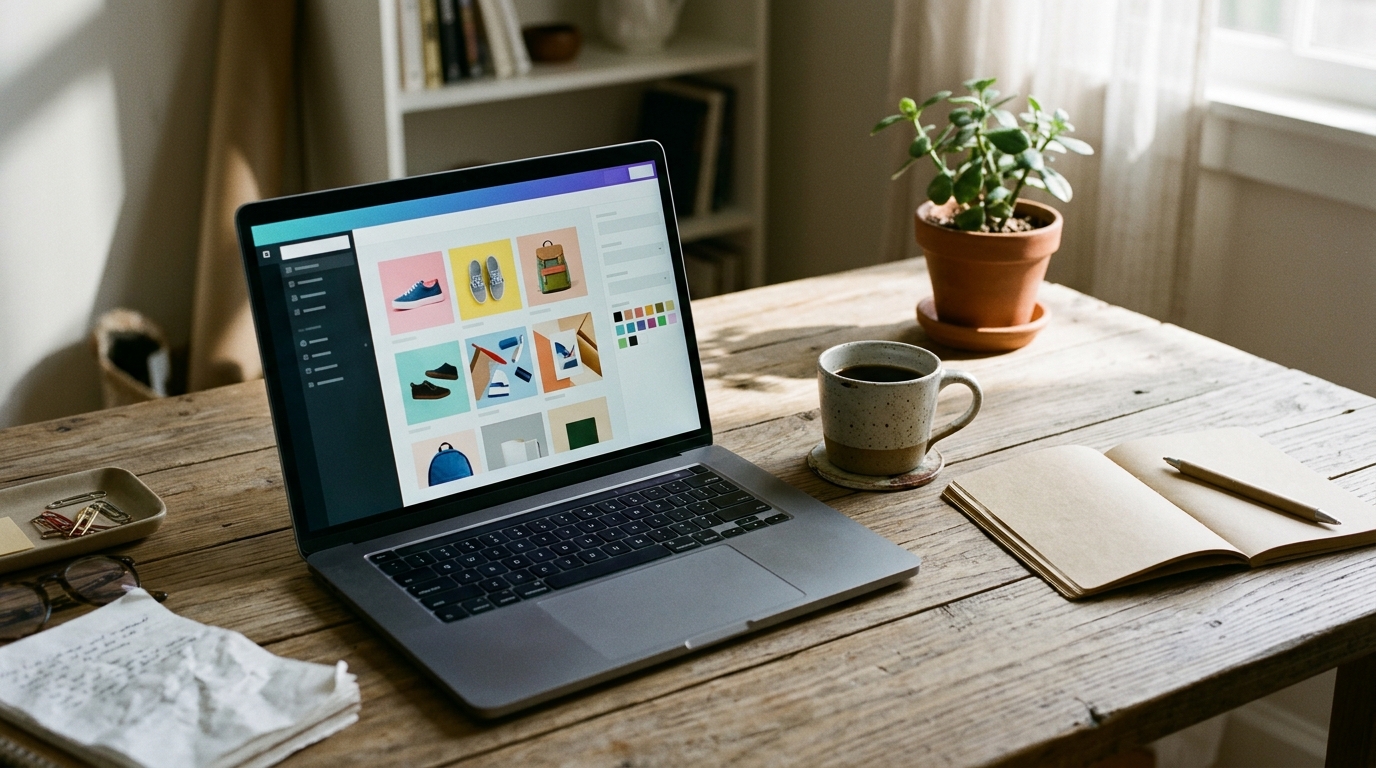
In 2026, brands can get high-impact product visuals for e-commerce, advertising, and social media—without booking a photo studio or hiring a full production team. Product photography has evolved: AI now delivers professional-grade images at a fraction of the time and cost. How can you secure top-quality, commercially effective product photos without a traditional shoot—and why might AI production be the smarter choice?
AI-driven product photography offers speed, flexibility, and custom results that match today’s fast-paced market needs. Here’s how to leverage these innovations for your brand and make informed, future-proof decisions.
Product Photography Trends and Market Demands in 2026
The Evolution of Product Visuals
By 2026, product photography is defined by AI-driven visuals that match or surpass traditional studio quality. Generative technologies now create hyper-realistic renders of products, models, and environments—no cameras or sets required. Creative direction remains human-led, ensuring brand vision is preserved.
AI product photography enables instant adaptation for any market or campaign. Launching a global ad with product shots in Tokyo, Paris, or a digital fantasy world is now possible within hours. Model photography has expanded: hyper-diverse, hyper-realistic faces and bodies are generated on demand, supporting inclusive campaigns and precise targeting. High-res stills (4K+), ready for print and digital, are the new standard.
Meeting New Requirements
Speed and scalability are essential. Brands expect product photography for hundreds of SKUs in multiple aspect ratios within days. Agencies need seamless white-label delivery, batch exports, and editable files for quick updates. Advertising photography now prioritizes creative flexibility: clients want to test multiple visual concepts, backgrounds, and lighting with minimal lead time.
Multi-platform content is critical. Visual assets must be ready for e-commerce, social, print, and OOH, each with precise specs. Providers who guarantee full commercial rights, transparent revision rounds, and delivery in high-resolution, layered formats are increasingly valued.
Traditional Studio vs AI-Driven Product Photography: Cost, Speed, and Flexibility
Transitioning from trends to practical choices, let’s compare traditional and AI-based approaches.
Quick Facts: Studio vs AI
| Criteria | Traditional Studio | AI Product Photography | Animagine Solutions (AI) |
|---|---|---|---|
| Cost per shoot | $1,000–$10,000+ | $250–$1,500 | Flat rate, no hidden fees |
| Turnaround time | 7–21 days | 4–48 hours | Same-day or next-day possible |
| Creative flexibility | Set/location dependent | Unlimited scenes/styles | Custom, global, or imaginary |
| Rights transfer | By negotiation, extra fee | Full, on delivery | Included in all packages |
| White-label | Often restricted | Native support | Seamless for agencies |
| Output formats | May require extra edits | Any: 9:16, 1:1, 16:9, Hi-Res | Full platform-ready delivery |
Traditional product photography involves photographer fees, set design, model hire, equipment, location, logistics, and post-production. Unexpected costs can inflate budgets by 20–40%. AI product photography is priced per visual or project, with no physical overhead—your only variables are the creative brief and number of assets.
Studio shoots often mean weeks from booking to delivery, especially for multi-format commercial photography. AI workflows cut this to hours or days, scaling instantly from one SKU to a full catalog.
Flexibility is another advantage: AI-generated product visuals can place your brand in any context—real or imagined—without location scouting or travel. For agencies, white-label production with full rights transfer is built in, supporting multi-client portfolios. All assets are delivered in any required format, ready for web, e-commerce, or social.
Checklist for Choosing Your Approach
- Need visuals in under 48 hours?
- Seeking unlimited creative environments?
- Managing multiple brands or clients (white-label)?
- Require clear, upfront pricing with all rights included?
- Need instant delivery in e-commerce or social formats?
If you answer “yes” to most, AI product photography offers speed, scale, and creative freedom beyond the traditional studio model.
Step-by-Step: AI Product Photography Workflow from Brief to Delivery
Now, let’s look at how the process works from start to finish.
From Idea to Finished Visual
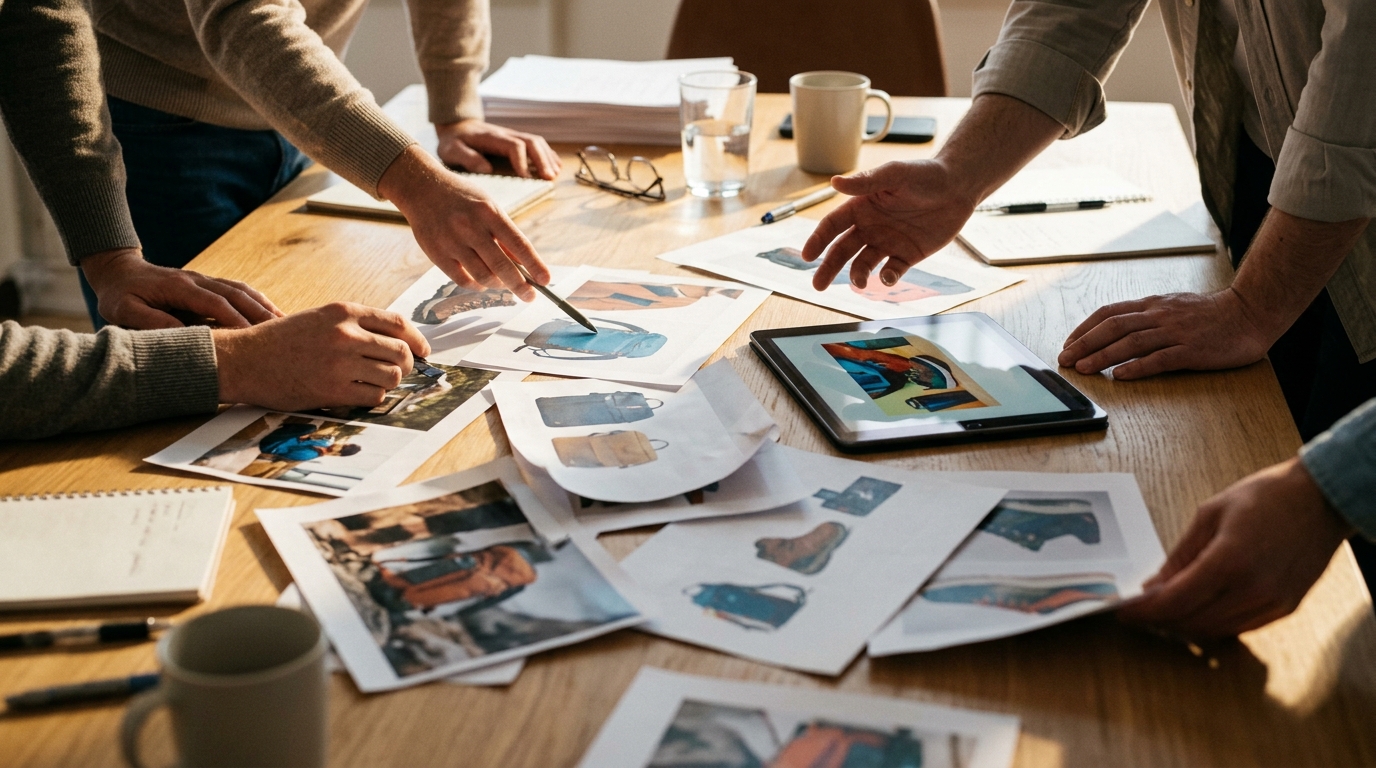
- Briefing and References: Submit a detailed brief specifying product features, angles, target audience, and platforms. Attach reference images, past campaigns, or moodboards. The more precise your references, the closer the AI product photographer will get to your vision.
- Storyboarding and Concept Development: The provider translates your brief into a storyboard, including proposed angles, lighting moods, backgrounds, and unique creative concepts. You review and approve the storyboard before visuals are generated.
- AI Visual Generation: Using advanced generative models, the team produces initial high-res stills based on the storyboard. For example, you might receive 12–20 draft images per product, covering all required angles and settings.
- Selection and Refinement: Select preferred visuals from the drafts. The team refines chosen images—adjusting color, retouching details, or revising environments as needed. This stage typically takes 1–2 days per revision cycle.
How Revisions and Feedback Work
- Feedback and Revisions: Animagine Solutions includes two full rounds of revisions in every project. Submit clear, consolidated feedback. The team implements changes—correcting product color, tweaking shadows, changing backgrounds—then resubmits for approval.
- Final Formats and Rights Transfer: Upon final approval, you receive all deliverables in requested formats—9:16, 1:1, 16:9, plus any custom sizes. High-res stills are standard. Full commercial rights transfer after payment; no hidden clauses or future royalties.
This workflow enables rapid, scalable, and studio-grade product visuals—without physical shoots or geographic limits.
Real-World Examples: AI Product Visuals Across Industries
To illustrate the impact, here are examples from various sectors.
Case Study: 20+ Visuals in 72 Hours
A DTC fashion brand needed 20+ high-resolution product images with models, in under three days. Animagine Solutions delivered: AI-generated models in diverse styles, matching the client’s demographic, staged in both real-world and imaginative locations—no casting, travel, or physical shoots. The result: campaign-ready visuals for web, ads, and social, produced 4x faster than standard timelines for model photography.
Portfolio Highlights
- Fashion: Realistic model photography using AI-generated models in custom poses, skin tones, and environments—ideal for lookbooks, e-commerce, and editorial advertising photography.
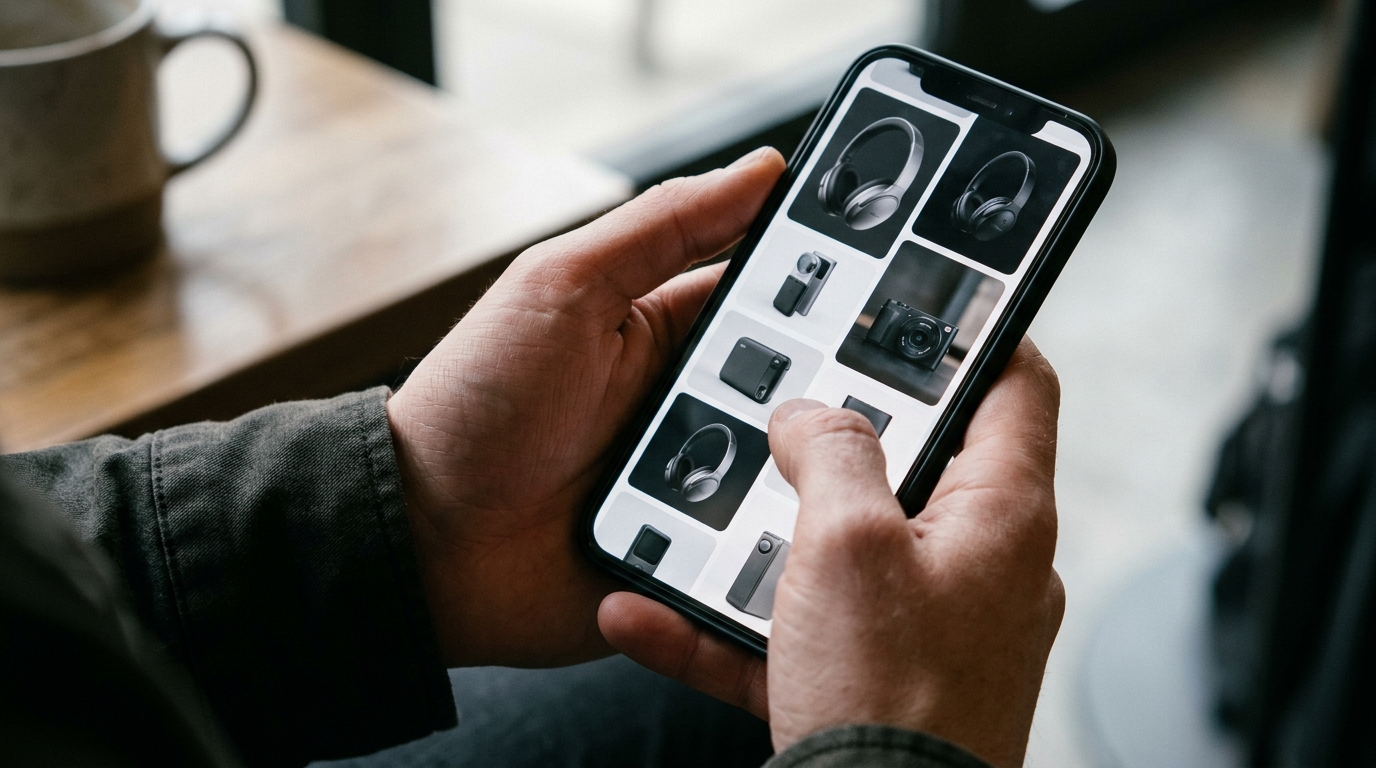
- Electronics: Photorealistic device renders with perfect reflections and intricate textures, composited into modern, aspirational settings.
- Cosmetics: Hyper-detailed product shots with creative backdrops and on-brand color grading, supporting campaign hero images and omnichannel content.
- Food: AI-generated food stills with perfect gloss and ideal lighting, suitable for digital menus and e-commerce.
- Lifestyle: Contextual product photography, including aspirational scenes (e.g., “Paris sunrise,” futuristic studios) that reinforce brand storytelling.
Animagine Solutions’ portfolio shows that AI product photography now covers every niche—delivering speed, creative freedom, and consistency at scale.
Pros and Cons of AI Product Photography for Brands and Agencies
AI product photography delivers content up to 5x faster and at a fraction of traditional costs. Brands get instant access to global, hyper-realistic locations and custom set designs—no logistics or shipping required. Creative control is extensive: every detail can be adjusted, and iterations are rapid. For commercial photography at scale—such as seasonal campaigns or A/B testing—AI accelerates production and enables asset variations with minimal overhead.
However, AI photography has limitations in complex scenarios. Hyper-detailed textures (like jewelry close-ups), transparency, and certain edge cases may challenge realism, especially when absolute material accuracy is required. Strict brand guidelines, color-matching, or regulatory compliance might still benefit from oversight by a professional photographer or classic studio retouching.
When to Choose AI, When to Choose Classic
Choose AI product photography for rapid campaigns, creative experiments, global market launches, and when you need flexible, scalable visuals. Opt for classic professional photography when handling products with intricate materials, legal certification needs, or ultra-high-end luxury positioning where tactile realism is crucial. Many agencies blend AI’s speed and flexibility with traditional expertise for top-tier commercial results.
Pricing, Turnaround, Rights, and Delivery: What Clients Need to Know
AI product photography pricing is project-based, with transparent tiers: simple sets (from $350), advanced scenes (from $600), and video add-ons (from $450). Turnaround for stills is typically 24-72 hours; video or complex requests take 2-4 business days. Upon full payment, Animagine Solutions transfers all commercial rights to you. For agencies, white-label production keeps your branding intact—no Animagine references in deliverables.
Delivery Formats: 9:16, 1:1, 16:9, High-Res
- 9:16 (vertical) — For Stories, TikTok, Reels; web and mobile launches.
- 1:1 (square) — Instagram, Facebook, catalog and e-commerce platforms.
- 16:9 (horizontal) — Web banners, video intros, YouTube, presentations.
- High-resolution stills — Print, OOH, zoom-ins without quality loss.
- Custom aspect ratios — On demand for Amazon, Shopify, or niche placements.
- Layered source files — For further edits or localization by your team.
Each visual is generated uniquely—Animagine employs reference checks and prompt engineering to ensure your content is safe, original, and ready for commercial use.
How to Choose an AI Product Photography Provider: Checklist for Brands and Agencies
Selecting an AI product photography partner requires a structured approach. The right provider will streamline your content pipeline, safeguard your rights, and scale with your needs. Use this 10-point checklist:
Top 10 Criteria for Selection
- Review portfolio depth across industries and product types
- Check transparency of workflow, from briefing to delivery
- Confirm clear commercial rights transfer post-payment
- Verify inclusion and clarity of revision policy (minimum two rounds)
- Assess ability to deliver various formats (9:16, 1:1, 16:9, high-res)
- Evaluate white-label support for agencies
- Ask for references from brands or agencies in your vertical
- Test response time and ongoing support commitments
- Analyze scalability: can they handle high-volume or international projects?
- Ensure transparent pricing, with no hidden fees
Ask direct questions about their creative process, revision handling, and IP guarantees before signing. Prioritize providers with proven experience in commercial photography and a documented checklist for brands.
FAQ: Security, Uniqueness, White-Label, Edits, and Delivery Formats
To further clarify, here are answers to common questions about AI product photography.
Animagine Solutions guarantees unique images by generating each visual from a custom prompt and refined style parameters—no stock assets or templates reused. Security is maintained through SOC 2-compliant cloud storage and NDA-backed workflows. White-label production enables agencies to present content as their own, with zero Animagine branding on delivered files.
Two revision rounds are included, allowing targeted edits based on your feedback—layout, colors, perspective, or product details. All deliverables come in platform-ready formats (9:16, 1:1, 16:9, high-res stills), optimized for e-commerce, social, and print. Full commercial rights transfer to you upon final payment, with IP protection ensured by contract and watermark-free output.
Часті запитання
Is product photography still a viable career in 2026 with AI advancements?
Yes, product photography remains a viable career in 2026, but the role is evolving. Professionals now focus on creative direction, AI workflow management, and client consultation rather than traditional camera work. Skills in prompt writing, visual storytelling, and post-production are in high demand for overseeing AI-driven results.
How do I transition from traditional to AI-based product photography?
To transition from traditional to AI-based product photography, start by learning AI image generation tools and prompt engineering. Familiarize yourself with digital workflows, client briefing for AI, and post-processing of AI visuals. Upskilling in creative direction and digital asset management will also help you stay competitive.
What are the copyright and commercial rights considerations for AI-generated product images?
With AI-generated product images, commercial rights are typically transferred upon delivery and payment, with no ongoing royalties. However, always confirm terms with your provider to ensure full usage rights, especially for global campaigns. Transparency and clear contracts are essential to avoid future disputes over ownership or licensing.
Can AI product photography be customized for niche or highly specific brands?
Yes, AI product photography can be highly customized for niche brands. Providers use detailed briefs, reference images, and moodboards to tailor visuals to specific brand aesthetics, demographics, or campaign goals. The flexibility of AI enables unique backgrounds, diverse models, and creative concepts that match even the most specialized requirements.
What skills are valuable for agencies offering AI product photography services?
Agencies offering AI product photography services benefit from skills in creative direction, client communication, AI prompt engineering, and digital asset management. Knowledge of multi-platform formatting, copyright law, and project management is also valuable to deliver high-quality, compliant, and scalable visual assets for diverse clients.
Головне за хвилину
- Prioritize AI-driven product photography for unmatched speed and creative flexibility—deliver hundreds of visuals in hours, not weeks.
- Choose providers offering full commercial rights, native white-label support, and multi-format, high-resolution outputs for every platform.
- Ensure your workflow allows for transparent pricing, clear revision rounds, and instant adaptation to different markets or campaign needs.
- Use detailed, reference-rich briefs to get the most brand-accurate, high-impact visuals from your AI photography partner.
In 2026, AI product photography is the new standard for brands and agencies seeking scalable, cost-effective, and endlessly creative visuals. If you’re ready to accelerate your content pipeline and stand out in any market, start a project today.
More from the blog
AI video editor vs traditional editing: Which saves more?
AI video editors versus traditional editing: which is more cost-effective? Explore how AI tools can streamline your video production process.
Advertising photography in 2026: How AI changes campaign visuals
AI is revolutionizing advertising photography in 2026, making visuals more creative and affordable. Discover the latest trends and innovations!
Make AI videos: 5 Proven Workflows for Agencies & Creators
Discover five proven workflows to make AI videos efficiently. Perfect for agencies and creators aiming for top-quality results with less hassle.